



Is it becoming difficult for you to manage your expenditure due to high charges on electricity bills, while load shedding is causing major disruption in your daily activities? Residential Solar Systems have emerged as the most efficient choice for independent living for people residing in Pakistan in 2026. The Solar Market in Pakistan has undergone tremendous change; currently, Residential Solar Systems are the most cost-effective option than ever before in 2026.
Get all information regarding Solar Systems, right from prices, types of systems available, duration of installations, and the savings you can make. According to the latest market information, the cost of installing a 5 kW Solar System will range between PKR 700,000 to 1,100,000, with the payback period being 4-6 years.
What Are Residential Solar Solutions?
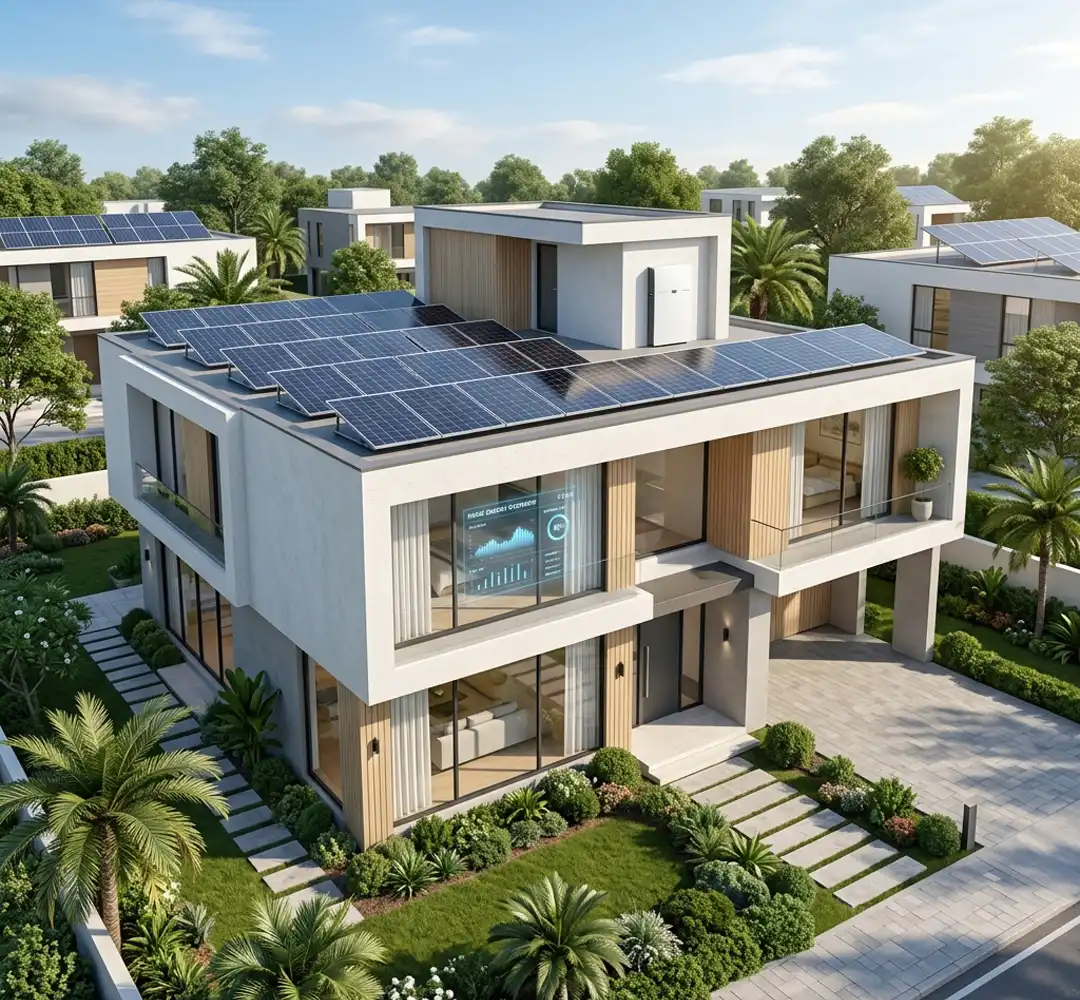
Residential solar systems mean the entire system that uses solar energy for residential houses and converts sunlight into electrical energy. It includes solar panels, inverters, mounting systems, batteries, and wiring. The process is done through which the solar cells collect the energy of the sun, turn it into direct current electrical energy, and change it into alternating current electricity.
Modern residential solar solutions have great flexibility; these can be very small 2kW balcony systems with a price of about PKR 249,500 or full-scale 10kW solar solutions, whose cost would go beyond PKR 1,500,000. They are created for specific purposes of residential usage and limited roof areas in Pakistan’s sunny environment.
Types of Solar Systems Available
On-Grid Systems are directly connected to the electricity grid of the country. This is the cheapest system at the cost of PKR 34-45 per watt. Batteryless systems mean that they are not expensive. You would be affected by load shedding unless you choose a battery backup.
Hybrid Systems utilize solar energy along with battery energy and connectivity to the power grid. These keep on operating even during load shedding; however, their cost is higher than the previous ones. They work perfectly well for places with load-shedding problems.
Off-Grid Systems operate independently without a grid connection. They require large battery banks and cost the most, but guarantee complete energy autonomy. Suitable only for remote properties.
How Much Do Solar Systems Cost in 2026?
Current market rates show solar panels at PKR 24-35 per watt, depending on technology. Popular 585W panels cost approximately PKR 23,400-25,155. Complete installed systems break down as follows:
- A 2 kW system: PKR 249,500 total (installed)
- A 5 kW system: PKR 700,000-1,100,000
- A 10 kW system: PKR 950,000-1,500,000
These prices include Tier-1 panels, quality inverters, mounting structures, wiring, and professional installation. Brands like Jinko, Longi, Feroze Power Limited, and JA Solar dominate Pakistan’s market with proven reliability. Prices vary slightly based on location, installer margins, and additional components like monitoring systems.
Why Invest in Solar Energy?
The prices of electricity in Pakistan have increased constantly, and load shedding causes disturbances to commercial and domestic life. Domestic solar energy solutions help you deal with both the above-mentioned problems right away. First, the less dependent you are on electricity from the grid, the less you will pay each month, by 50-80% respectively.
Moreover, solar energy is an environmentally friendly source that also protects your electricity source during blackouts.
How to Choose the Right System
Calculate your average electricity usage per month from your bill. This will determine the size of the system to be installed. A household that uses 500 kWh per month requires a minimum of 5-6 kW of energy. Check your roof space, angle of installation (south-facing roof best), and whether trees or buildings are blocking any sunlight.
If you have load-shedding worries, go for hybrid systems with batteries. Those with budget constraints can begin with grid-tied systems.
Installation and Maintenance Process
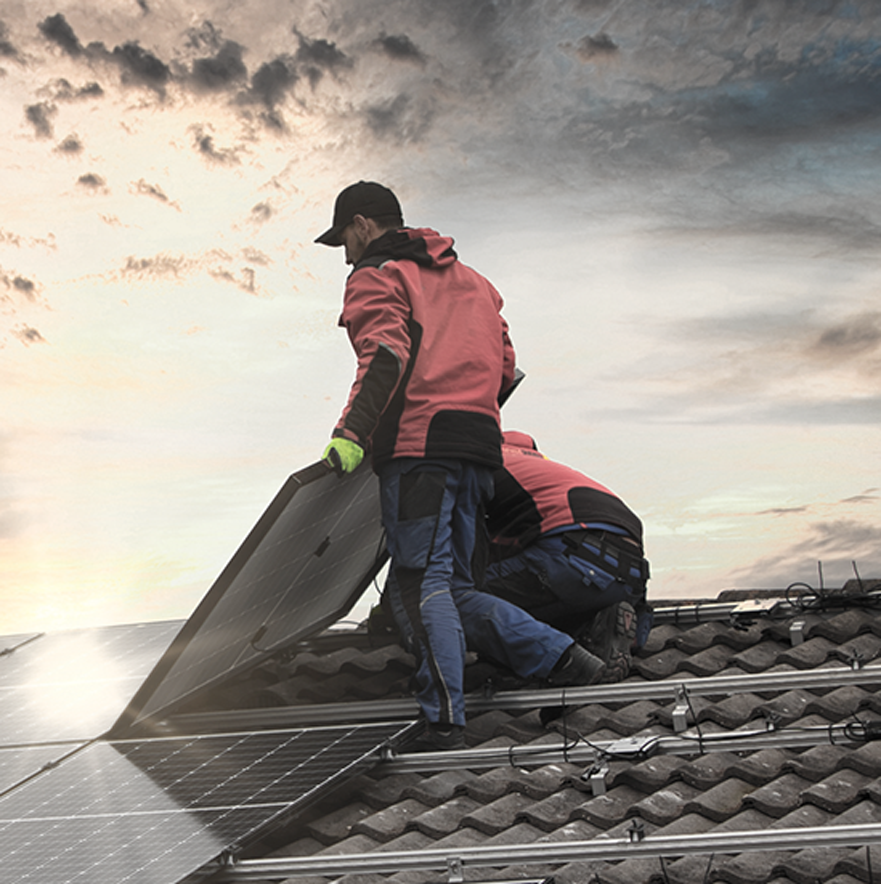
The professional installation process takes about 5 to 7 days. This process entails structure evaluation, wiring, panel placement, inverter installation, and testing. Most solar energy systems have low maintenance costs since they just need two panel cleanings per year and an annual inspection.
Battery systems require more frequent maintenance, including testing electrolytes. Several companies provide solar system maintenance services that include inspection and panel cleaning at around PKR 5,000 to 15,000 per year.
Conclusion
Residential solar solutions prove to be the best investment that Pakistani property owners could make in the year 2026. The affordability, advanced technology, and assured savings in cost make solar installations the perfect choice to solve the problem of increasing electricity bills. Be it on-grid, hybrid, or off-grid solar panels, there is an option to consider depending upon your requirements and budget constraints.
Thinking about making a change? Reach out to us at Solcare for expert advice and consultations. Our solar specialists will conduct an assessment of your current energy consumption pattern to help determine which solar solutions would be best suited for your property and provide you with a quotation.
FAQs
Q1: How long do residential solar solutions last?
Solar panels have an operational life of 25-30 years with little deterioration. Inverters can survive for 5-10 years, depending on quality and usage.
Q2: Can residential solar solutions work during cloudy days?
Yes, solar panels can produce electricity even during overcast days; however, their efficiency is lower compared to sunny days (20-40% of efficiency).
Q3: What's the average return on investment for residential solar solutions?
The period needed to recoup costs varies between 4-6 years. Once you repay your initial investment, you’ll use 20+ years of free electricity.
Q4: Do residential solar solutions increase property value?
Homes using solar energy systems are more valuable by up to 3-4%, as they incur low operational expenses.
Q5: Are there government incentives for residential solar solutions in Pakistan?
Yes. Excess power can be sold back to the power grid, as part of net metering schemes. There are some tax rebates available in some provinces for imported solar devices.