





A homeowner in Karachi opened his July 2025 electricity bill, saw PKR 68,000, and called three solar companies the same afternoon. That kind of situation is not rare. Every summer in Pakistan, families and companies that have more than one air conditioner reach the same point in making their decisions. The starting price of a 10kW solar system in Pakistan begins at about PKR 10 lakh for a grid-tied system up to PKR 21 lakh for a hybrid system with lithium battery backup, according to July 2026 prices.
The difference between the above two amounts will be completely determined by the type of components used and the method of installation. This guide breaks down every cost layer of a 10kW solar system price in Pakistan, so you know exactly what you are paying for before signing any contract.
What a 10kW Solar System Includes
A standard 10kW system consists of 16 to 18 solar panels rated between 570W and 615W each, a 10kW inverter, a galvanised steel mounting structure, DC and AC wiring, circuit breakers, surge protection devices, and a bi-directional meter for net billing connections.
Every item in that list carries its own cost, and every item affects long-term performance. Buying cheap on any single component typically means higher maintenance costs or lower output within two to three years.
On-Grid vs Hybrid vs Off-Grid
- On-grid systems connect directly to the WAPDA grid, export surplus electricity under net billing, and shut down during load shedding. These are the most affordable 10kW configurations.
- Hybrid systems add a battery bank, typically 10 to 15kWh of lithium storage, allowing continued operation during outages. This is the most popular urban configuration in 2026.
- Off-grid systems run entirely on panels and batteries with no grid connection. These suit farms and remote locations where the WAPDA supply is absent or completely unreliable.
How Much Does a 10kW Solar System Cost in 2026
The turnkey 10kW on-grid system is priced from PKR 10 lakh to PKR 13 lakh as of July 2026, including Tier-1 panels, an inverter, the mounting frame, cabling, protection components, and net billing meter filing.
The hybrid 10kW system with the 15kWh lithium battery bank ranges from PKR 16 lakh to PKR 21 lakh. The largest component of the above increase in price is the battery itself, which ranges from PKR 4 lakh to PKR 8 lakh based on the brand and capacity.
Per-Component Cost Breakdown
- Tier-1 solar panels (16 to 18 units at 585W each): PKR 4 lakh to PKR 5.5 lakh, depending on brand and N-type vs PERC technology
- 10kW on-grid inverter (Growatt, Solis, Huawei): PKR 1.2 lakh to PKR 2 lakh
- 10kW hybrid inverter (Growatt SPH, Huawei SUN2000, GoodWe): PKR 1.8 lakh to PKR 3 lakh
- Galvanised steel mounting structure: PKR 60,000 to PKR 1.2 lakh, depending on roof type and elevated structure requirements
- DC and AC wiring, breakers, surge protection, earthing: PKR 40,000 to PKR 80,000
- Net billing meter, DISCO application, and AEDB approval: PKR 50,000 to PKR 1 lakh
- Labour and installation charges: PKR 40,000 to PKR 80,000, depending on site complexity
What Drives the Price Up or Down
Panel brand and technology account for the single largest cost variable after batteries. N-type TOPCon panels from brands like Jinko Tiger Neo, LONGi HiMO 6, and Canadian Solar HiKu7 cost more per watt than older PERC panels but degrade more slowly and perform better in Pakistan’s high-heat conditions.
The USD exchange rate directly affects inverter and battery prices, since both are imported. A solar tax policy exemption currently applies to panels, inverters, and batteries in Pakistan as of 2026, meaning zero GST and zero customs duty, which significantly reduces what consumers pay compared to even two years ago.
How Site Conditions Change the Final Cost
- Flat concrete rooftops use standard L2 flush-mount structures. Sloped or tiled roofs require elevated structures using H-beam and C-channel, adding roughly PKR 7,000 per panel
- Shading from trees, water tanks, or adjacent buildings reduces output and may require additional panels to compensate, which increases total system cost
- The distance between the panel array and the inverter location affects cable length and associated material costs
- A professional energy audit before purchase identifies actual consumption patterns and prevents the common mistake of buying a system sized for the wrong load profile
How Much a 10kW System Can Save You
A 10kW system generates between 35 and 50 units per day, depending on the city and season. Monthly output typically falls between 1,050 and 1,500 units. At PKR 45 to 50 per unit, that translates to PKR 47,000 to PKR 75,000 in monthly bill savings for households consuming most of that output during the day.
Rising electricity prices make that savings figure grow with time rather than shrink. Every tariff increase from NEPRA improves the return on a solar investment made today, since the system’s output remains constant while the value of each unit it produces rises.
Payback Period by System Type
- On-grid system with strong daytime self-consumption: payback period of 3 to 4.5 years
- Hybrid system with battery backup: payback period of 4 to 6 years, offset by the value of uninterrupted power during load shedding
- High-consumption household (monthly bill above PKR 60,000): payback period is often closer to 3 years due to larger bill reductions
- Low daytime consumption with heavy evening usage: longer payback period, since most solar output is exported at the lower net billing buyback rate of PKR 11 to PKR 13 per unit
What the Installation Process Looks Like
A professional solar installation starts with a site survey covering roof load capacity, available space, orientation, and shading. The installer uses this data to finalise the system design before ordering equipment.
Physical solar Installation work typically takes two to three days for a residential 10kW system. DISCO inspection, bi-directional meter installation, and net billing approval from the local utility add several weeks to the full timeline after the panels are already generating power.
Steps From Contract to Live System
- Step 1: Site survey and system design based on actual consumption data and roof conditions
- Step 2: Equipment procurement, including panels, inverter, structure, and all protection devices
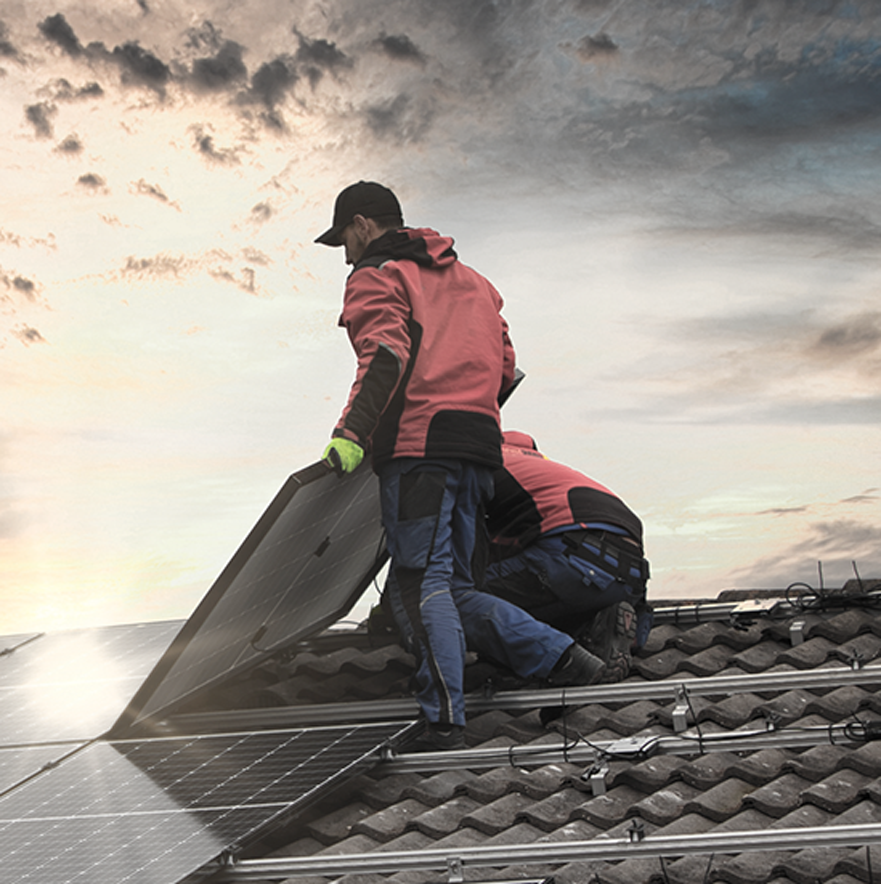
- Step 3: Mounting structure installation, followed by panel placement and wiring
- Step 4: Inverter connection, earthing, and safety device installation
- Step 5: DISCO application submission with technical drawings and equipment specifications
- Step 6: DISCO inspection and bi-directional meter installation
- Step 7: System commissioning and handover with monitoring setup
How to Keep Your System Running Well
Solar panels lose output when dust, smog, and bird droppings accumulate on the surface. Pakistan’s urban air quality makes this a consistent issue rather than an occasional one. A panel covered in dust can lose 15 to 25 percent of its rated output before any visible degradation occurs.
Scheduled solar maintenance covers panel cleaning, inverter performance checks, wiring inspections, connection tightening, and battery health monitoring for hybrid systems. Catching a loose DC connector early prevents arc faults that can cause fires or permanent inverter damage.
Recommended Maintenance Schedule
- Panel cleaning: every four to six weeks in dusty urban environments, more frequently near industrial zones or coastal areas
- Inverter output check: monthly review of generation data against expected daily output figures for the season
- DC wiring and connector inspection: every six months to check for heat damage, corrosion, or loose terminations
- Battery health check for hybrid systems: quarterly capacity test to confirm the battery is holding charge within acceptable limits
- Full system inspection: annually by a certified technician before the summer peak demand season
Tax Benefits and Government Policy
Pakistan’s current solar tax policy exempts solar panels, inverters, and lithium batteries from GST and import duties as of 2026. This exemption removes a significant cost layer that buyers faced as recently as 2023, when duties added 17 to 25 percent to equipment prices.
NEPRA’s shift from net metering to net billing in February 2026 changed the economics of oversized systems. Exported electricity now earns PKR 11 to PKR 13 per unit rather than the previous one-to-one credit at retail rates. Right-sizing a system around actual daytime consumption now produces a stronger return than maximising panel count for export.
10kW System Price Comparison Table
System Type | Price Range (July 2026) | Battery Included | Best Suited For |
On-grid | PKR 10 lakh to PKR 13 lakh | No | Stable grid supply, daytime consumption focus |
Hybrid (lithium) | PKR 16 lakh to PKR 21 lakh | Yes, 10 to 15kWh | Frequent load shedding, evening usage needs |
Off-grid | PKR 22 lakh and above | Yes, a large bank | Remote locations, no WAPDA access |
Premium on-grid | PKR 12 lakh to PKR 14 lakh | No | High-quality N-type panels, Huawei inverter |
Conclusion
The price of a 10kW solar system in Pakistan is determined by the type of system and its components, with the basic on-grid system costing PKR 10 lakh and the high-end hybrid system equipped with lithium storage batteries costing PKR 21 lakh, as of July 2026, according to verified market rates.
This guide explained each cost factor, factors that affect the price, savings per month, installation, and how maintenance will help save this investment over time. The system you need will depend on how much you consume, how much load shedding you are experiencing, and your roof conditions. SolarCare offers comprehensive site analysis, system design, and installation services to ensure that homeowners and businesses invest in a system that will meet their long-term energy requirements.
FAQs
What is the 10kW solar system price in Pakistan in July 2026?
An on-grid 10kW system will cost you from PKR 10 lakh to PKR 13 lakh. A 10kW hybrid system with a lithium-ion battery backup costs from PKR 16 lakh to PKR 21 lakh.
How much energy will a 10kW system generate each day?
The 10kW system generates 35 to 50 units each day, depending on your city, season, and direction of panel installation. The monthly production varies from 1,050 to 1,500 units.
Can you avail the net billing scheme for the 10kW system in Pakistan?
Yes, a 10kW system qualifies for the NEPRA net billing scheme, where you are compensated for surplus electricity exported at PKR 11 to PKR 13 per unit according to the February 2026 policy.
How long does a 10kW solar installation take?
Physical installation takes two to three days. DISCO inspection and net billing meter approval typically add three to six weeks to the full timeline after installation is complete.
Is GST charged on a 10kW solar system in Pakistan?
No. Solar panels, inverters, and lithium batteries are exempt from GST and import duties in Pakistan as of 2026 under the current government solar tax incentive policy.