




What if the same sun that makes Karachi summers unbearable could also reduce your electricity bill by 50%? That question has driven perhaps one of the swiftest energy transitions ever in Pakistan’s history. In just over ten years, solar power installations in Pakistan have increased from about 50 MW in 2016 to 6 GW of installed capacity using net metering by 2025, primarily due to higher grid electricity rates and lower prices of solar panels.
Grid electricity prices that were around 9 rupees per unit a decade ago rose to more than 40 rupees per unit for many consumers by 2024. This guide explains how solar power works in Pakistan, the major policy changes that were introduced in 2026, and why solar power in Karachi continues to be beneficial for many homes and businesses.
What Solar Power Means for Pakistani Homes and Businesses
Solar power converts sunlight into usable electricity through photovoltaic panels mounted on a rooftop or open ground space. The system feeds your home or business directly, reducing how much electricity you need to buy from the grid.
A typical residential setup includes panels, an inverter, mounting hardware, and protective equipment like surge protectors and circuit breakers. Larger commercial systems add monitoring software and sometimes battery storage for backup power.
A standard solar system consists of the following components:
- Solar panels for converting solar energy into direct current electricity
- An inverter for converting DC into usable AC
- Mounting hardware that secures solar panels onto a rooftop or a ground frame
- Protective devices, such as surge protectors and circuit breakers, are also required for safe operation
- A bi-directional meter for systems connected to the grid under net billing or net metering
Why Pakistan Has Seen a Solar Boom
Solar power adoption across Pakistan grew for reasons that go beyond just falling equipment prices. The sections below break down the three main forces behind the shift.
Rising Tariffs and Falling Panel Prices
Grid electricity prices rose sharply over the past decade, while global solar panel prices fell by around 42 percent in just a few years. This combination made rooftop systems far more affordable compared to the cost of staying on the grid.
The Push for Energy Independence
Frequent power outages added a third motivation beyond cost. Many households and businesses turned to solar power not just for savings, but for a level of energy independence the national grid increasingly struggled to guarantee.
Why Industrial Users Lead the Adoption Curve
Industrial users have a larger share of net-metered solar installations compared to residential customers. Large systems can take advantage of economies of scale, thus making them more cost-effective than small systems, which explains why industrial customers and large businesses are using solar energy. The residential use of solar power is increasing rapidly due to high electricity rates and load shedding, especially in urban areas.
What Changed in the 2026 Solar Policy
Pakistan’s solar policy shifted significantly in February 2026 when the National Electric Power Regulatory Authority replaced the old one-to-one net metering system with a new net billing framework for new solar connections.
Under the previous system, exported and imported electricity were valued at the same rate, often resulting in very low bills for well-sized systems. Under net billing, exported electricity is now compensated at a much lower wholesale rate than the retail price charged for imported units.
How the New Buyback Rate Compares
Exported solar units now earn roughly 11 to 13 rupees per unit under net billing, compared to grid import rates of around 22 to 27 rupees per unit. This gap makes self-consumption far more valuable than exporting surplus power to the grid.
Existing solar power consumers who signed agreements before the policy change continue under their original net metering terms until those contracts expire, so current owners are not immediately affected.
When Solar Power in Karachi Makes the Most Financial Sense
Karachi households running air conditioners, water pumps, and other heavy appliances during daylight hours get the strongest return from solar power, since most of the energy produced is consumed directly rather than exported at the lower net billing rate.
Solar power in Karachi performs particularly well given the city’s high cooling demand and strong year-round sunlight. A system sized to match daytime usage, rather than oversized purely for export, now delivers the fastest payback period under the updated rules.
When Oversizing a System Becomes a Mistake
Installing a system larger than your actual daytime energy needs is no longer the advantage it once was. Surplus electricity exported beyond your consumption now earns a far lower rate than it costs to buy from the grid.
Right-sizing a system around real usage patterns, rather than maximum theoretical output, produces a stronger return on investment under the current net billing structure.
How a Solar System Gets Installed Step by Step
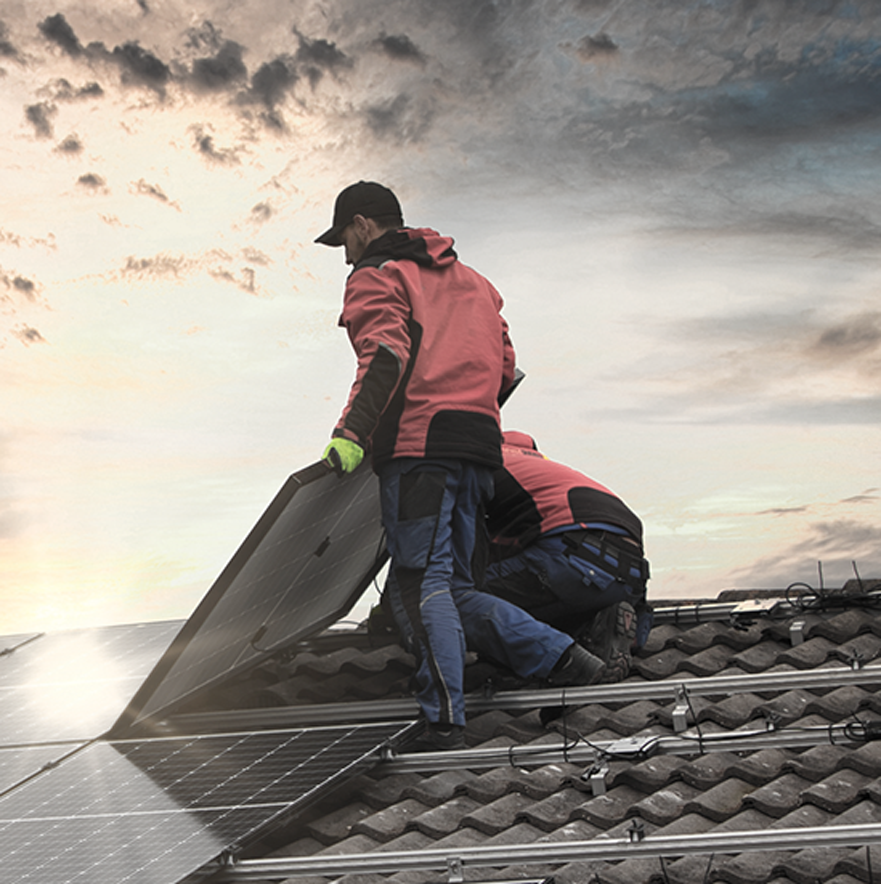
A Standard Solar Panel installation process begins with the site survey, which involves determining the roof size, sun exposure levels, and the average amount of electricity to be consumed.
The system capacity is then determined based on the requirements. The installation of the solar mounting structures, wiring, and inverter, along with all the necessary safety equipment, is done by qualified installers.
How Grid Connection Approval Works
- Submit an application through your local DISCO, along with the required technical documents
- Have a certified installer fit a bi-directional smart meter for systems connecting to the grid
- Pass a DISCO inspection confirming the system meets safety and anti-islanding protection standards
- Receive final approval and begin operating under either net billing or net metering, depending on your application date
How to Keep a Solar System Performing at Its Best
Dust, smoke, and bird droppings could affect the performance of panels in most cities in Pakistan. Solar Panel Cleaning Service will help maintain efficiency while protecting your investment.
A solar washing service is performed by trained personnel who use the correct water pressure and cleaning agents for the process without leaving scratches on panel surfaces.
How Routine Checks Extend System Life
Apart from cleaning, regular Solar Maintenance involves checking the condition of wires, the inverter, and system connections.
A periodic Solar System Inspection ensures that your system operates according to regulations and safety requirements, including the proper functioning of surge protectors and circuit breakers.
Where Hybrid and Off-Grid Systems Fit In
Hybrid Systems
Hybrid solar power systems combine grid connection with battery storage, giving users backup power during outages while still benefiting from daytime solar generation. This setup has grown in popularity as export rates have dropped under net billing.
Off-Grid Systems
Off-grid systems operate independently of the national grid entirely, relying fully on battery storage for nighttime power. These systems suit remote areas without reliable grid access, though they typically cost more upfront than grid-connected alternatives.
How to Choose Between System Types
On-grid systems suit households and businesses with strong daytime consumption and reliable grid access nearby. Hybrid systems suit areas with frequent outages where backup power adds real value beyond simple bill savings.
Off-grid systems make sense primarily in locations without practical grid access, where the higher upfront cost is offset by the absence of any monthly electricity bill at all.
Which System Size Fits Your Home or Business
The table below matches common system sizes to the household or business type they suit best.
System Size | Best For | Approx. Monthly Bill Offset | Typical Payback |
3 to 5 kW | Small homes, moderate bills | PKR 15,000 to 25,000 | 4 to 5 years |
5 to 10 kW | Mid-size homes, higher AC usage | PKR 25,000 to 50,000 | 3.5 to 4.5 years |
10 to 20 kW | Large homes, small businesses | PKR 50,000 and above | Varies by usage pattern |
20 kW and above | Commercial and industrial use | Significant bill reduction | Strongest ROI with daytime use |
Conclusion
Pakistan’s solar power landscape has changed significantly with the 2026 shift from net metering to net billing, making self-consumption more valuable than ever for new system owners. This guide covered how systems work, why adoption has grown so quickly, what the new policy means for sizing and savings, and how proper installation and maintenance protect your investment over time.
Whether you are planning your first system or maintaining an existing one, getting the sizing, installation, and upkeep right makes the biggest difference to long-term savings.
Contact Solcare to get expert guidance on solar system design, installation, and maintenance tailored to your home or business across Pakistan.
FAQs
Q1. Is solar power still worth it in Pakistan after the 2026 policy change?
Yes, particularly for systems sized around daytime self-consumption. Households with strong daytime usage still see strong payback periods even under the new net billing rates.
Q2. How long does a solar panel installation take in Pakistan?
Most residential system installations can be done within a few days once the site has been assessed and equipment delivery is completed. However, obtaining approval from your local DISCO will add a few more weeks to that process.
Q3. Do existing solar customers lose their old net metering rates?
No, people who had agreements signed prior to the new policy adopted in February 2026 will continue their old net metering terms until the end of their contract period.
Q4. How often should solar panels be cleaned in Pakistan?
It is recommended to clean solar panels every 1 to 2 months, depending on dust and pollution in the city. In case you live in coastal areas such as Karachi, more regular cleaning will be necessary.
Q5. Is solar power in Karachi better than in other cities?
Karachi receives strong year-round sunlight and a high daytime cooling demand, which makes solar energy efficient for self-consumption. Also, the high electricity prices further add to the strong need for solar energy in Karachi.