

A solar array can lose nearly 30% of its potential output when installed at the wrong angle, but the real long-term risk often sits beneath the panels. A weak or poorly engineered solar structure can shorten system life, increase maintenance costs, and reduce energy output far earlier than expected. In 2026, industrial solar planning focuses heavily on structural reliability because systems now regularly exceed 25 years of operational life.
Global adoption of industrial solar continues to rise as energy prices fluctuate and sustainability targets tighten. For large facilities, the mounting system is no longer a background component. It defines performance stability, safety levels, and long-term financial return.
What Is a Solar Mounting Structure in 2026?
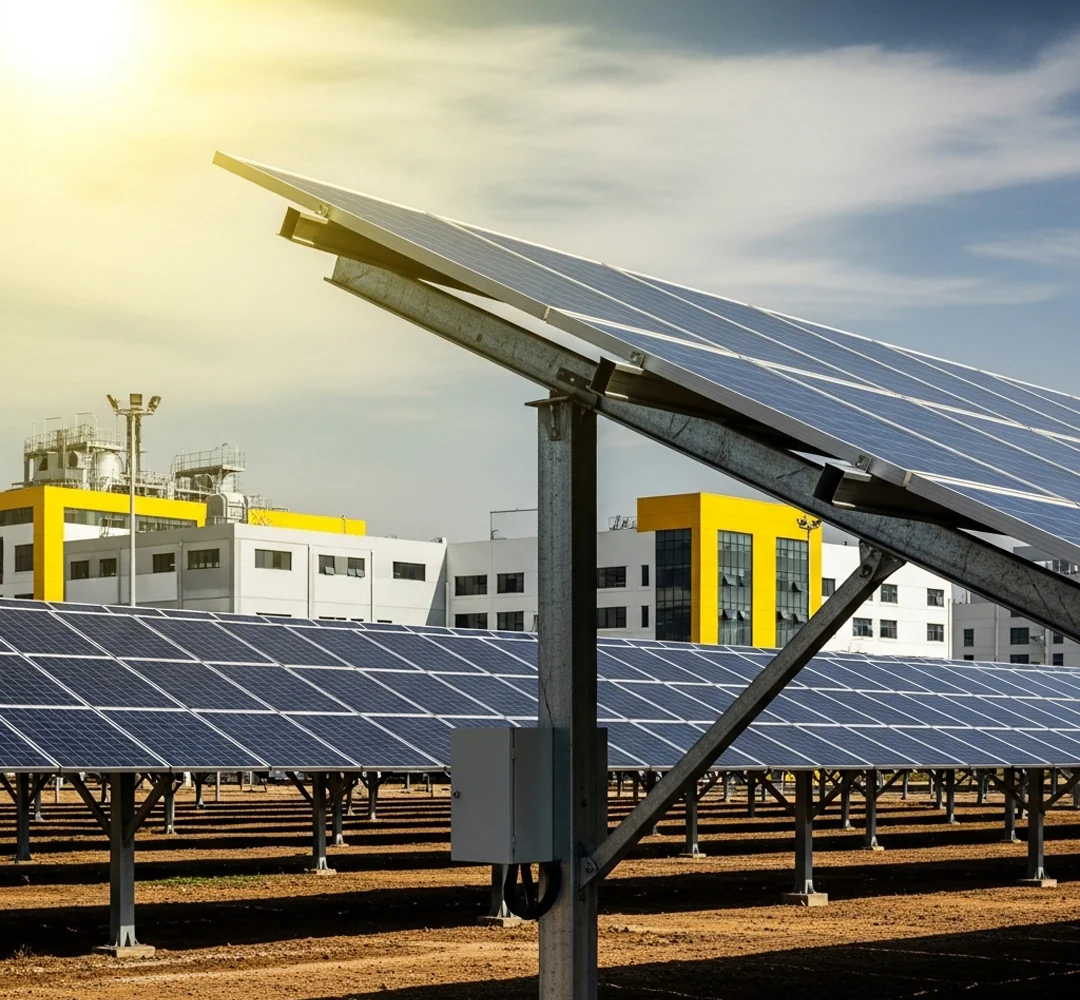
A solar mounting structure is the engineered framework that holds photovoltaic panels in place while managing wind load, thermal movement, and environmental stress.
Modern 2026 systems include:
- High wind resistance designs based on updated climate data
- Advanced anti-corrosion coatings for industrial and coastal zones
- Modular construction for faster installation
- Compatibility with smart monitoring systems
For industrial sites, structural failure leads to more than energy loss. It can trigger downtime, repair costs, and safety risks.
Industrial Types of Solar Mounting Structures
Ground-mounted systems
Ground-mounted systems remain the most widely used in industrial solar installations due to scalability and performance consistency.
2026 improvements include:
- AI-assisted tilt optimization in hybrid systems
- High-strength corrosion-resistant fasteners
- Pre-engineered foundation systems for faster deployment
Fixed-tilt systems still dominate due to low maintenance requirements, while tracker adoption is increasing in high-irradiance regions.
Rooftop industrial systems
Industrial rooftops are increasingly designed for solar readiness from the construction stage.
Two main formats are used:
- Ballasted systems for non-penetrative installation
- Anchored systems for high-wind industrial environments
The 2026 trend shift includes real-time roof load monitoring in larger installations, improving long-term structural safety.
Solar carport systems
Carport structures now serve dual roles in energy generation and infrastructure optimization.
Common uses:
- EV fleet charging hubs
- Logistics and distribution centers
- Industrial parking energy generation
Smart carports now include integrated energy tracking and fleet charging management systems.
Floating solar systems
Floating solar continues to expand in industrial water bodies such as reservoirs and treatment ponds.
2026 upgrades include:
- UV-resistant high-density float materials
- Improved storm anchoring systems
- Reduced algae growth through a partial shading design
Performance is more stable compared to early-generation floating systems.
Materials Used in Modern Solar Structures
Material selection plays a major role in long-term durability.
Galvanized steel
Most widely used for industrial ground systems.
2026 upgrades:
- Improved zinc-aluminum coating blends
- Longer corrosion resistance cycles
- 25–30-year certified lifespan in standard conditions
Aluminum alloys
Preferred for rooftop systems due to weight efficiency.
Key benefits:
- Lightweight structural load reduction
- Zero rust performance
- Faster installation timelines
New 2026 alloy grades improve strength, allowing broader use in mid-scale ground systems.
Advanced coated steel systems
New ceramic and polymer-coated steel options are expanding in industrial applications.
Key benefits:
- Higher fire resistance
- Lower maintenance frequency
- Strong performance in chemical exposure zones
Environmental Stress Factors Affecting Solar Structures
Industrial environments expose structures to higher stress loads than standard installations.
Wind load impact
2026 design standards now account for:
- More frequent extreme wind events
- Updated uplift resistance thresholds
- Location-specific aerodynamic modeling
Heat and thermal movement
Thermal expansion is now modeled using localized climate datasets.
Modern solutions include:
- Expansion buffer systems
- Flexible joint mechanisms
- Heat-resistant protective coatings
Chemical exposure risks
Industrial zones may contain airborne pollutants or salt exposure.
Effects include:
- Accelerated corrosion
- Fastener degradation
- Surface coating breakdown
Material choice is now fully site-specific.
Dust and surface accumulation
Dust affects both panel efficiency and mounting stability over time.
Operators now combine:
- Scheduled cleaning cycles
- Structural inspections
- Performance tracking
Cleaning routines are often paired with an energy audit to measure actual losses.
How Tracking Systems Are Evolving in 2026
Tracking systems are becoming more intelligent and adaptive.
Key advancements:
- AI-driven sun positioning adjustments
- Predictive maintenance alerts
- Reduced mechanical wear through optimized movement cycles
Adoption is rising in large-scale industrial solar farms where land efficiency is critical.
Why Maintenance Defines Structural Lifespan
Even the best solar structure can degrade without proper maintenance.
2026 maintenance systems include:
- IoT-based structural monitoring
- Drone-assisted inspection systems
- Predictive corrosion tracking
Routine checks help prevent:
- Loose fasteners
- Rail corrosion
- Misalignment of panels
Panel cleaning also plays a role in structural protection. Operators often clean your solar panels on a fixed schedule to prevent residue buildup on mounting rails.
Using the right tools matters. The best solar panel cleaning brush reduces surface micro-damage and improves cleaning efficiency.
Choosing the Right Solar Structure in 2026
| Selection Factor | What to Check in 2026 |
| Material grade | Match corrosion rating to real site conditions |
| Load certification | Must reflect updated wind and climate models |
| Structural design | Modular and scalable systems are preferred |
| Compatibility | Must support newer high-efficiency panel sizes |
| Thermal design | Expansion control systems are standard |
| Warranty coverage | 25–30-year structural warranties are now common |
| Maintenance access | Must support safe servicing and inspections |
Conclusion
The performance of a solar structure defines how long an industrial solar system truly lasts. In 2026, durability is shaped by updated engineering standards, climate-based design, and smarter maintenance systems. Material selection, load design, and inspection planning all determine whether a system performs for decades or declines early.
Solcare continues to support industrial operators with structured planning, installation, and solar installation solutions built for real operating conditions. For facilities planning upgrades or reviewing system health, structural evaluation is now a key step in long-term energy strategy.
FAQs
Q1. How long does a solar structure last in 2026?
Most industrial systems last 25 to 30 years, depending on material quality, environment, and maintenance schedules.
Q2. What is the best material for industrial solar structures?
Galvanized steel is preferred for ground systems, while aluminum is widely used for rooftop installations due to weight advantages.
Q3. Does maintenance affect solar structure performance?
Yes. Regular inspections and solar maintenance service help prevent corrosion, loosening, and efficiency loss over time.
Q4. Are smart monitoring systems standard in 2026 solar structures?
Yes. Many modern installations use sensor-based monitoring for load tracking, tilt performance, and predictive maintenance.
Q5. How often should industrial solar structures be inspected in 2026?
Most industrial setups are inspected every 6 to 12 months. High-risk environments like coastal or chemical zones may need more frequent checks to prevent corrosion and structural loosening.

